
Arthroscopy is a minimally invasive surgical technique used to both diagnose and treat various joint issues affecting areas such as the shoulder, knee, hip, ankle, and wrist. During the procedure, a small camera known as an arthroscope is inserted into the joint through a small incision. This camera provides a clear view of the joint's interior on a monitor, allowing the surgeon to diagnose the problem accurately and undertake necessary treatments.
Conditions Treated with Arthroscopy:
Arthroscopy is effective in treating a wide array of joint conditions, including:
⚬ Rotator cuff tears in the shoulder
⚬ Meniscus tears and ligament injuries in the knee
⚬ Cartilage damage in the knee, hip, and ankle
⚬ Loose bodies or bone spurs in the joint
⚬ Synovitis (inflammation of the joint lining)
⚬ Torn labrum in the hip or shoulder
Based on the findings during diagnostic arthroscopy, the doctor may recommend various treatments, including:
⚬ Non-surgical options: Mild conditions may be managed through non-surgical means such as physical therapy, pain management, and rest.
⚬ Arthroscopic surgery: If significant issues are identified, the doctor may suggest arthroscopic surgery, involving small incisions and specialized instruments to repair or remove damaged tissue.
⚬ Open surgery: In some cases, open surgery may be necessary to address the condition, requiring larger incisions for joint access.
⚬ Joint replacement surgery: Severe joint damage may warrant joint replacement surgery to replace the damaged joint with an artificial one.
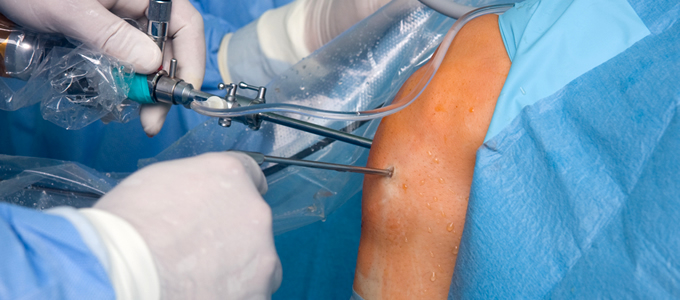
⚬ Anesthesia: The patient is given anesthesia, which may be either general anesthesia or local anesthesia with sedation. The choice of anesthesia depends on the type of arthroscopy and the patient's overall health.
⚬ Incision: A small incision, similar to a buttonhole in size, is made near the joint to insert the arthroscope.
⚬ Inspection: The surgeon examines the joint's internal structures using the arthroscope and a video monitor, assessing cartilage, ligaments, and tendons.
⚬ Treatment: Surgical instruments are used through additional small incisions to repair or remove damaged tissue identified during inspection.
⚬ Closure: Once surgery is complete, incisions are closed using stitches or sterile tape.
⚬ Recovery: Patients are monitored post-surgery in the recovery room, with some requiring overnight stays. Rehabilitation may be necessary for restoring strength and mobility.
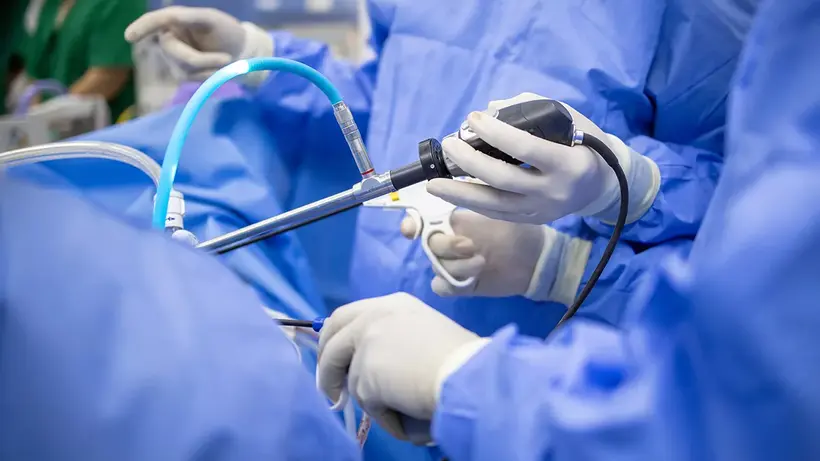
Arthroscopy offers benefits such as smaller incisions, reduced pain, and quicker recovery compared to traditional open surgery. However, risks like infection, bleeding, and damage to nearby structures exist and should be discussed with the surgeon.
At Star Care Hospital, advanced Arthroscopy Surgery in Nashik are available, including repairing or removing damaged tissue, removing loose bodies or bone spurs, cleaning the joint, reattaching torn ligaments or tendons, and reshaping damaged cartilage.
Access our online platform for direct appointment booking at the Nashik Arthroscopy treatment center. Additional features include ambulance availability, cost comparison, and special offers for first appointments.
If you have any healthcare queries, visit our Arthroscopy treatment in Nashik for expert advice and care.
Years Experience
Patients
Recovery Rate Of Patients
Award Winning

.png)
.jpg)
.png)

.png)

.png)



.png)
.png)
.png)
.png)
.png)




At Star Care we believe that a holistic approach to medical care is optimal for our patients health and well-being. To achieve this we are bringing together experienced,
 Old Saykhedkar Hospital, Trimurty Chowk , opp.Matale Mangal Karyalaya, Cidco New Nashik - 422009
 hospistarcare@gmail.com
 +91 9011968499 0253 2394566 0253 2394544
©Starcare Hospital All Right Reserved is Proudly Owned by dotphi
.png)

.png)


